
After years of beating around the bush, the City of Fayetteville finally sued the private developers who failed to honor their contract with the city and develop the parking deck across from City Hall. Having picked this legal fight, our Mayor and City Council Members, for reasons known only to them, have decided to remove their gloves, go back to their corner, and wait. It’s sad, and it’s more of the same.

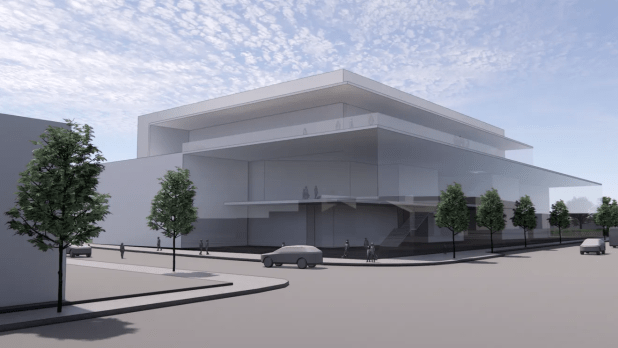
In case you forgot the tortured history of this failure on Hay Street, here’s a refresher: Your mayor and city council voted to give a development company close to 20 million tax dollars to build a parking deck. In response, these developers were supposed to develop the property. Originally, a hotel was planned on top of the deck. After completion, it was going to be the “tallest building in Fayetteville.” Pretty pictures of Project Homerun were included in press releases. Everyone was thrilled.

Years passed.
Later, the hotel was changed to apartments.
Covid happened.
More years passed.
Crickets.
As this project stalled out, our city council would go into closed sessions every year or so and amend the contract to make the deal more palatable for our development partners. Anything to get it moving. More money? Sure, here you go. More time? Of course, those deadlines didn’t mean anything. Take your time, and do your best. We trust you.
It was all done out of the eyes and ears of the public. Minutes from these closed meetings are sketchy, and their legality drew scrutiny from the local press:

The council cited “attorney-client privileged matter and economic development related to Project Home Run” as the reasons for going into the closed session on Dec. 7, city spokesman Kevin Arata said. Project Home Run refers to the public-private partnership with Prince Charles Holdings LLC, the investors who are committed to more than $60 million in projects connected to the minor league baseball stadium that the city is building on Hay Street.
The Observer questioned why Jordan Jones, the project manager with Prince Charles Holdings, and his business partners were allowed to be in the room during part of the council’s closed session with the city attorney. Jones and others who attended the meeting said later that the discussion was about a contract between the developers and the city for the parking deck. The week after the meeting, the council voted 7-3 in open session to approve the contract, which stipulates that Prince Charles Holdings will build the deck and sell it back to the city for the cost of construction. The price estimate, originally $7 million, is now $14.8 million, in part because of materials and environmental costs. (Fayetteville Observer, 2017)
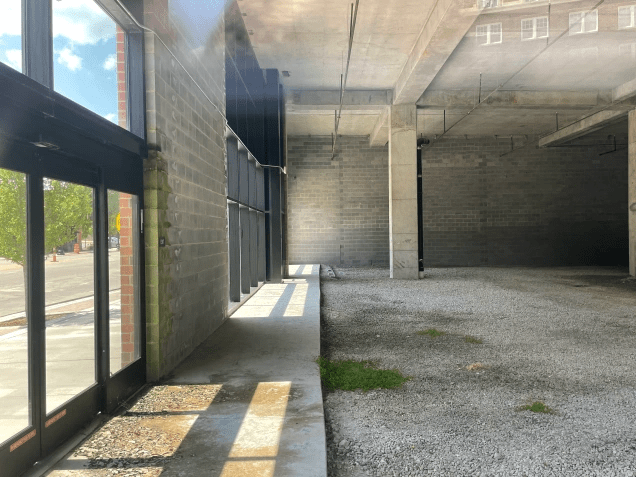
Despite all the closed sessions and amendments to the contract, nothing was ever built. At some point in 2024, the City decided to sue:

Civil Procedure 101
When a civil lawsuit is filed in North Carolina, the defendants in the case have 30 days to file an Answer:
Rule 12. Defenses and objections; when and how presented; by pleading or motion; motion for judgment on pleading. (a) (1) When Presented. – A defendant shall serve his answer within 30 days after service of the summons and complaint upon him.
Failing to file an Answer can subject you to an entry of default:
Rule 55. Default. (a) Entry. – When a party against whom a judgment for affirmative relief is sought has failed to plead or is otherwise subject to default judgment as provided by these rules or by statute and that fact is made to appear by affidavit, motion of attorney for the plaintiff, or otherwise, the clerk shall enter his default.
If default is entered against you, you lose the right to contest the allegations in the Complaint. They are deemed admitted:
D. Effect of Entry of Default
Allegations Deemed Admitted. Upon entry of default, “the substantive allegations contained in plaintiff’s complaint are no longer in issue, and for the purposes of entry of default and default judgment, are deemed admitted.” Luke v. Omega Consulting Grp., LC, 194 N.C. App. 745, 751 (2009); Blankenship v. Town & Country Ford, Inc., 174 N.C. App. 764, 767 (2005).
“Upon entry of default, the defendant will have no further standing to defend on the merits or contest the plaintiff’s right to recover.” Luke, 194 N.C. App. at 751; Spartan Leasing v. Pollard, 101 N.C. App. 450, 460 (1991).
(NC Superior Court Judge’s Bench Book)
As you can see, when a Defendant fails to respond to a lawsuit, the result is an easy win for the Plaintiff.
But Not in This Case
A search of the court records shows that the developers haven’t filed an Answer. It’s been over six months since they were served. More crickets.
I’ve heard from a reputable source that our city council has agreed to “pause” the litigation. It appears that the City would rather sit on its hands than hold the developers’ feet to the fire. Or maybe they want to work this out behind closed doors? They’re very good at that.
What it Means
It appears that your Mayor and your City Council would prefer this matter resolved in a back room somewhere, not a public courtroom. Forget that they wasted 20 million tax dollars, that they’ve stained our gateway to downtown with an ugly concrete box, and that they were played by smarter businessmen.
Forget about the constitutional principle that public money should only be used for public purposes.
Forget that they’ve even filed this lawsuit and paid a private attorney thousands to do it.
They want your vote this year, not a public reminder of their failure.
Think twice before you give it to them.




 Cross Creek Divide